
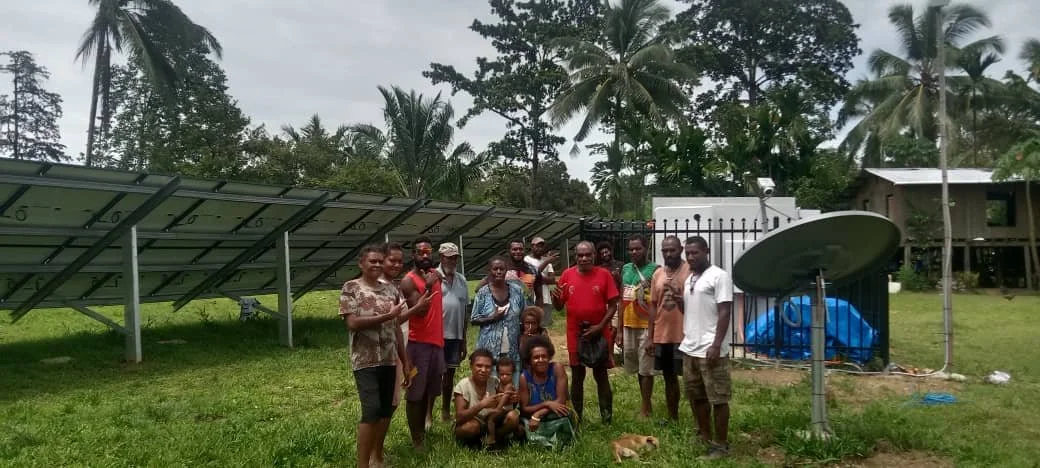
Designing for the Energy Ladder: Renewable Energy Microgrid for Remote Communities
For remote communities in emerging economies, Sustainable Development Goal 7 (SDG7) – affordable, reliable and modern energy – sets the ambition for energy access that can eradicate poverty, catalyse local economies and support services like health, education and digitisation. Achieving that ambition in places like Morere means designing energy systems around the energy ladder from day one.
For policymakers and funders, Morere offers a concrete example of how targeted public and concessional finance can support energy systems that move beyond basic access towards resilient, self‑sustaining local economies.
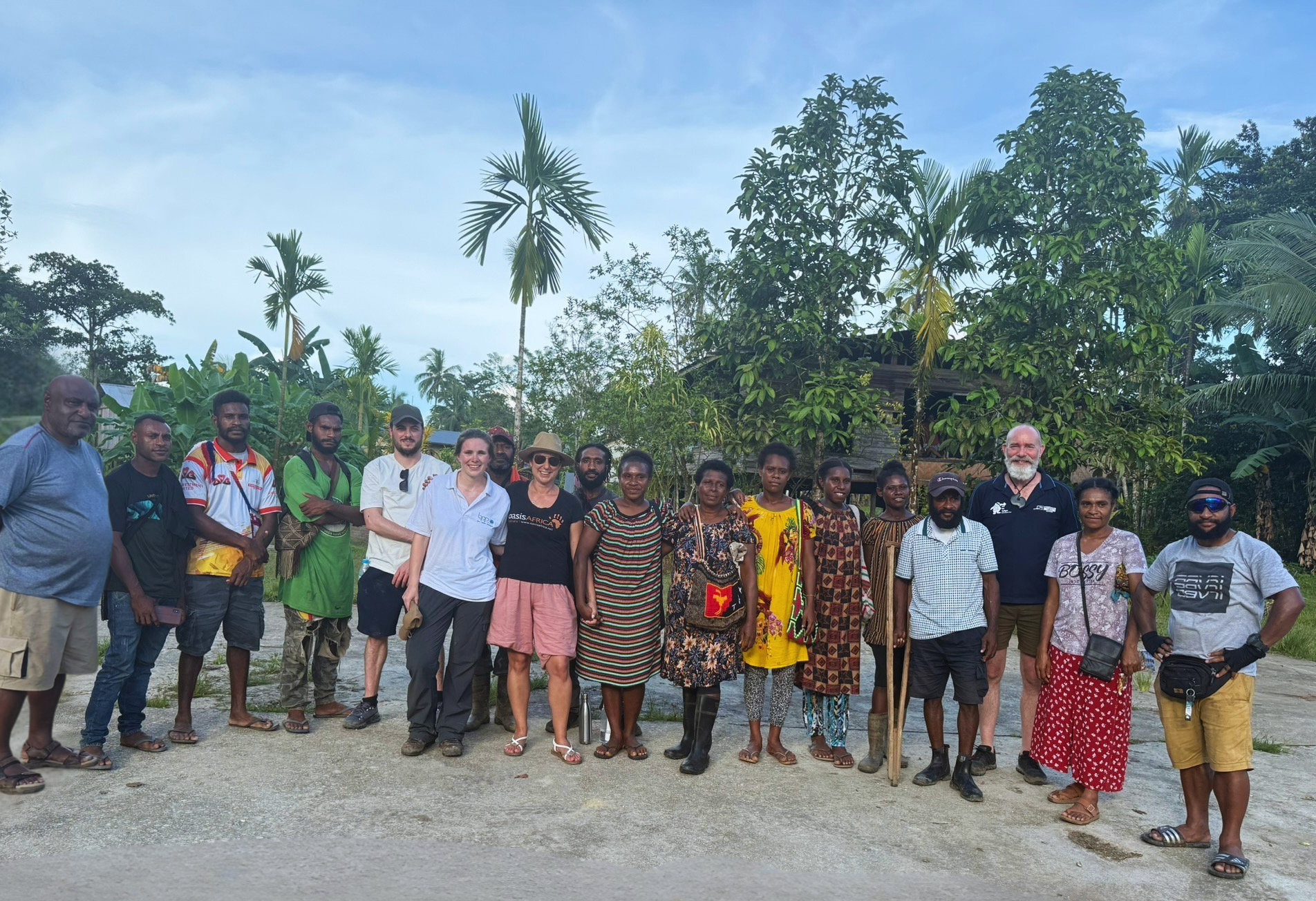
Walking Village to Village: Socio-Economic Baseline Surveys
If energy access is meant to improve lives, communities must be able to define what “better” actually looks like. In Papua New Guinea’s Rumu Tribe villages, an Energy Catalyst project treated the baseline not as a checkbox, but as a way to listen: 819 adults across 220 households shared how they live now, what matters most, and how power could change daily life.
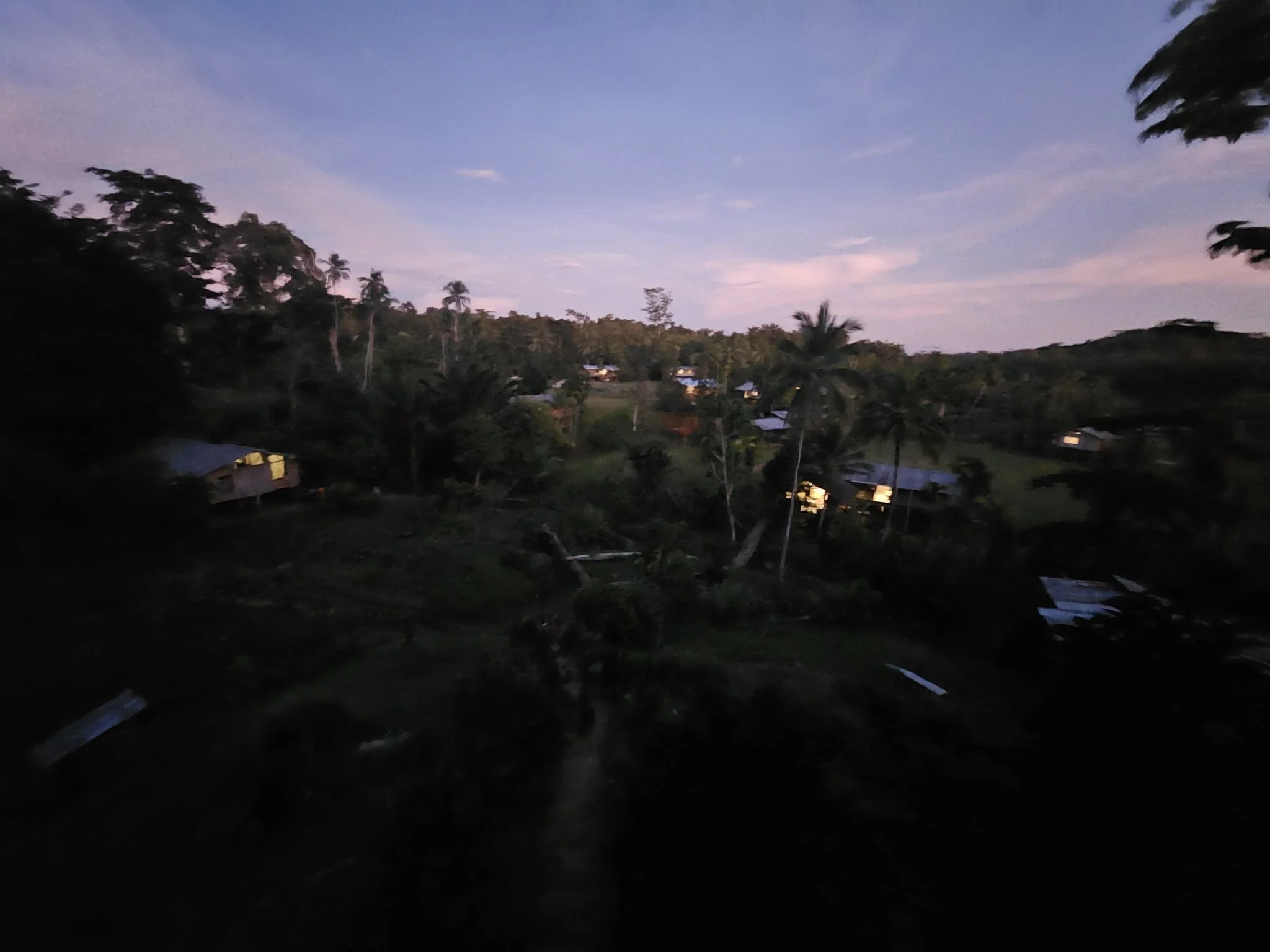
Powering resilience: scaling rural electrification in challenging environments
FutureValue Global designs place-based renewable energy systems that do more than provide power. Our evidence-led delivery model is designed to reduce project risk and build long-term value. This matters because reliable energy can strengthen livelihoods, health services, digital access and community ownership, creating a pathway for rural electrification that is both practical and scalable.
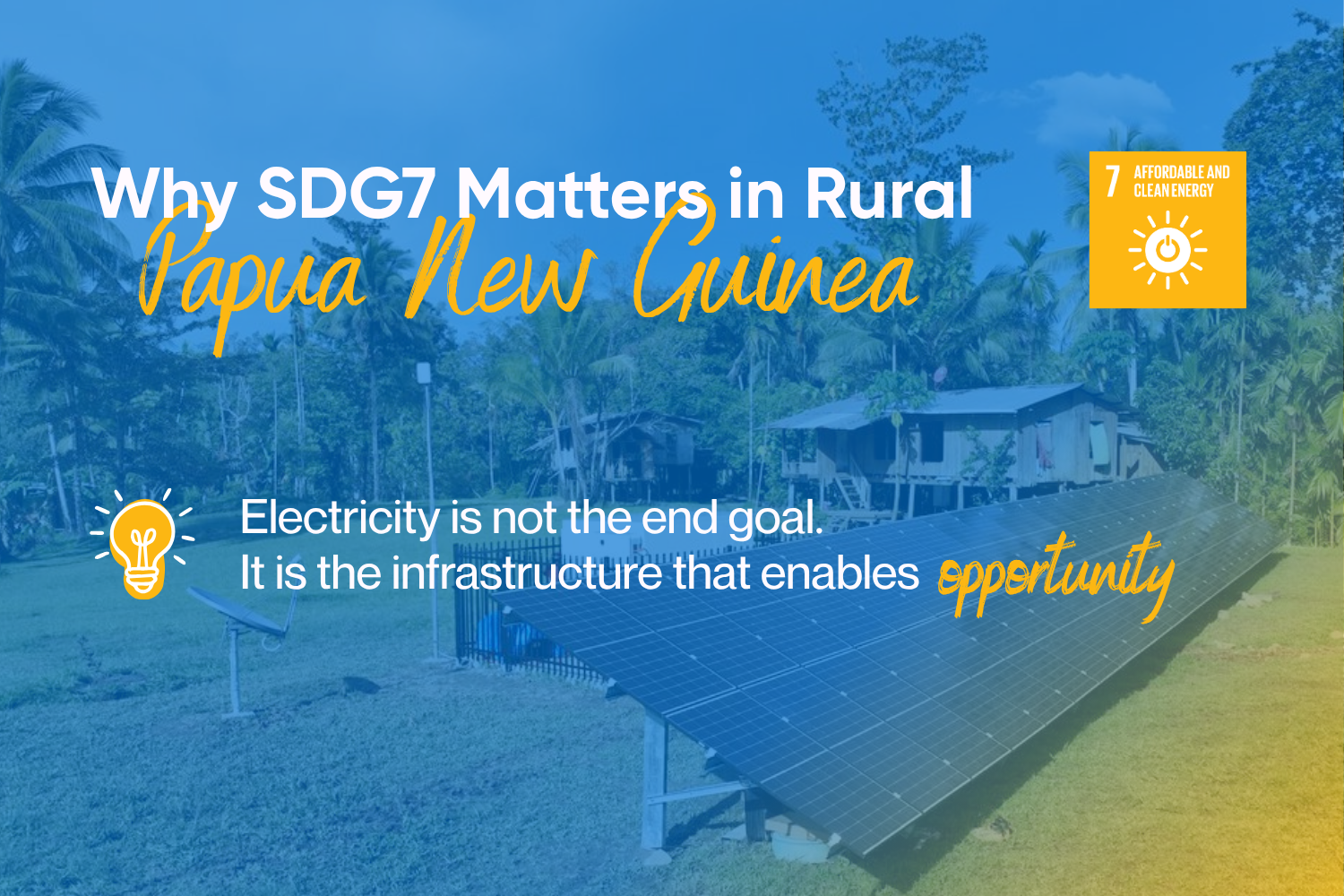
Why does energy access matter so much in rural Papua New Guinea?
Energy access in rural Papua New Guinea sits at the intersection of poverty reduction, service delivery, climate resilience and economic inclusion. Yet in many remote communities, the gap between policy ambition and lived reality remains wide.
This article explores why SDG7 matters so much in rural PNG, what life without reliable power means in practice, and what energy access should enable if it is to support a stronger local future.
It also argues that achieving electrification in these contexts will require more than infrastructure alone - it will require new delivery models and fit-for-context finance.
Accelerating Sustainability and Regenerative Business Leadership
Future Value Global and Vested Impact have formed a strategic partnership to help businesses move beyond ESG compliance and into authentic, evidence-based action.
As mandated climate reporting accelerates and the world tracks above 2°C, sustainability must become a strategic imperative — grounded in resilience, social licence, and long-term value.
This media release introduces our shared approach, the five pillars guiding the partnership, and what to expect from joint programs and executive briefings in early 2026.
The Knowns & The Unknowns – Bridging the Sustainability GAPS for the CFO
In the latest instalment of her sustainability series, Paula Kensington FCCA explores how the role of the CFO must evolve to meet the demands of a rapidly changing world.
With traditional accounting rooted in century-old frameworks, today’s finance leaders must bridge the gap between financial and non-financial data, integrate sustainability into modelling, and lead with insight.
Are your systems, spreadsheets, and storytelling ready for what the future demands?

Stakeholders Calling Business to Account: Flip the Coin from Internal Review to External Reporting
Building on the first two articles in her sustainability series, Paula Kensington FCCA now turns her focus to the shifting power dynamics in business. Stakeholders, from investors to local communities, are demanding transparency, ethical leadership, and tangible impact. For CFOs, the message is clear: accountability is no longer optional.
Will you rise to meet stakeholder expectations, or wait until the choice is no longer yours to make?
Our Systems are calling time for Investment
This is the second article in Paula Kensington’s compelling sustainability series, building on her call for a shift from profit-centric to planet-centric systems. In this piece, Paula explores the urgent need to reframe how we deploy capital through a life-centred lens that prioritises business resilience with multi stakeholder value and long term impact.
As a CFO, are you ready to transform your investment mindset to meet the demands of a rapidly changing world?

The Sustainability Imperative: What Every CFO Needs to Know to Lead the Change
In today’s evolving business landscape, CFOs are no longer just financial stewards, they’re pivotal leaders in embedding sustainability into strategy, reporting, and investment decisions. Drawing on over 30 years of finance experience, Paula Kensington FCCA explores why many finance teams are “at least 10 years late to the sustainability party.”
Are you ready to lead the charge—or risk being left behind?

Navigating the Impact: Unveiling the True Cost of Business on the Environment and Society
We are in an era where the interplay between business, society and the environment has never been more critical - it is imperative we understand the deep impact of business activities, which can be both positive and negative.
In this series of blogs, beginning with this one, we suggest how businesses can explore, and then commit to, the journey towards true business viability and authentic sustainability.